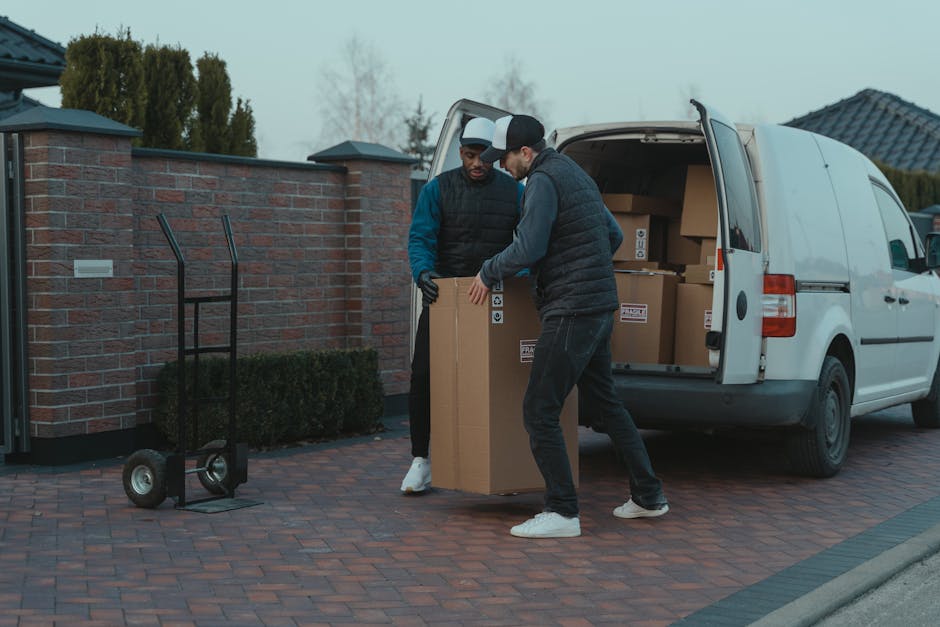
Stamford Bridge Moves Guide: Man and Van Access Tips
If you are planning a move near Stamford Bridge, the big challenge is often not the boxes themselves. It is access. Narrow roads, matchday traffic, controlled parking, awkward corners, and the simple fact that Chelsea gets busy fast can turn a straightforward man and van job into a bit of a puzzle. This Stamford Bridge moves guide man and van access tips article breaks down how to make the whole thing smoother, safer, and far less stressful.
Whether you are moving a flat nearby, shifting furniture after a renovation, or trying to avoid a last-minute parking headache, the right planning makes a real difference. In practice, a successful move around Stamford Bridge usually comes down to timing, vehicle choice, loading strategy, and knowing what to expect on the street. Let's get into the details properly.
Why Stamford Bridge moves guide man and van access tips Matters
Stamford Bridge is one of those parts of London where access can change the tone of a move almost instantly. On a quiet morning, a man and van can often get in and out with sensible planning. On a busy day, though, you may find yourself dealing with parked cars, tight turning space, delivery conflicts, and traffic that seems to arrive from nowhere. You will notice it most if you are moving heavy items, because even a short walk from the van to the front door can become a real effort.
That is why access tips matter. They are not just nice-to-have advice. They help you protect time, reduce lifting distance, avoid fines or awkward delays, and lower the chance of damage to furniture or walls. A small bit of planning is usually enough to turn a difficult street into a manageable move.
In our experience, people often underestimate the access part and focus only on the packing. Fair enough, the packing is visible. But the street outside your property is what decides how smoothly the day runs. If you are also moving from or into a flat, it is worth reading more about flat removals in Fulham, because access becomes even more important when stairwells, narrow entrances, and shared hallways are involved.
Expert summary: Around Stamford Bridge, the best moves are rarely the fastest-looking ones. They are the best-planned ones: short walking distance, the right-sized van, a clear loading point, and a loading window that avoids the busiest traffic periods.
How Stamford Bridge moves guide man and van access tips Works
The basic idea is simple: you plan the move around the access conditions rather than hoping the access will work itself out on the day. For Stamford Bridge and the surrounding Chelsea streets, that usually means checking where the van can stop, how far it may need to carry items, whether there is space to reverse safely, and whether any parking restrictions apply. This matters just as much for a one-bedroom move as it does for a larger property.
A good man and van service will normally look at the property type, the volume of belongings, and the likely loading route before recommending a vehicle. Sometimes a smaller van is better because it can fit into tighter streets. Other times, a slightly larger van saves repeat trips. There is no one-size-fits-all answer, and to be fair, that is part of the skill.
People often compare a man and van job with a bigger house move, but near Stamford Bridge the distinction is less about size and more about flexibility. If the access is difficult and the load is moderate, the move may benefit from a nimble setup rather than a large removal truck. For a wider overview of service types, you can also look at the removals services overview and man and van options in Fulham.
The practical process usually looks like this:
- Assess the property access and street layout.
- Choose a van size that fits the route and the load.
- Confirm loading times and any parking constraints.
- Prepare items so the crew can move efficiently once on site.
- Use a sensible loading sequence to reduce wasted steps.
- Allow a small buffer for traffic, lift use, stairs, or queueing.
That may sound basic, but honestly, basic is what keeps a move calm.
Key Benefits and Practical Advantages
When access is planned well, the benefits show up in several ways at once. The move feels less rushed, the crew spends more time moving items than figuring out logistics, and your belongings are handled with less stress. That matters if you are moving anything bulky, fragile, or awkward, such as a sofa, wardrobe, or dining table.
- Less carrying distance: A better loading point means fewer steps and less strain on everyone.
- Lower risk of damage: Less shuttling through narrow hallways means fewer knocks and scrapes.
- Better timing: A smooth access plan reduces the chance of delays eating into the day.
- Safer handling: Good positioning makes lifting easier and more controlled.
- Fewer parking headaches: The van is less likely to block access or get caught in a bad stop.
There is also a financial angle, even if nobody likes talking about it too early. Better access can shorten loading time and may reduce the total job duration. That does not mean every move becomes cheaper automatically, but efficient access often helps the overall value. If you are comparing options, it is sensible to review pricing and quote details early in the process.
Another plus is peace of mind. When you know where the van will go, when it will arrive, and how the load will be handled, the whole day feels more manageable. Which, let's face it, is half the battle.
Who This Is For and When It Makes Sense
This advice is useful for anyone moving in or around the Stamford Bridge area, but it is especially relevant for people with limited access. That includes upper-floor flats, properties on busy streets, homes with narrow frontages, or moves that happen close to matchdays and other busy periods.
It is also a strong fit for:
- tenants moving into or out of a local flat
- students with a modest load and tight timing
- homeowners moving furniture into storage
- small office moves where street access matters more than volume
- people needing a same-day or short-notice collection
If your move involves heavier items such as a piano, specialist handling becomes even more important. In that case, you may want to explore piano removals support rather than treating it like a standard lift-and-load job. Likewise, if you are relocating a workspace, office removals can help structure the move around business hours and access constraints.
Sometimes the clearest sign that this guide applies to you is simple: if you are already worried about where the van will park, you probably need to plan the access before the packing tape comes out.
Step-by-Step Guidance
Here is a practical way to approach a Stamford Bridge move without turning it into a headache.
1. Walk the route before the moving day
Stand outside your building and look at the street with fresh eyes. Where could a van reasonably stop? Is there a loading bay nearby? Can a vehicle turn without trouble? Are there bollards, narrow corners, or a steep curb that could complicate things? A short walk often reveals the issue before it becomes a delay.
2. Measure the awkward items
Big furniture needs more than a rough guess. Measure wardrobes, sofas, beds, and tables, and think about whether they will fit through doorways, stair turns, and lift openings. One item can slow the whole job if it has to be reshaped, carried on its side, or moved in stages.
3. Decide on the right van size
A smaller van is easier to place in restricted streets. A larger van can reduce repeated journeys. The right choice depends on access first, then load size. If you are unsure, a local mover can often advise whether a removal van or a more compact setup is the better fit.
4. Protect the loading route inside the property
Move mats, clear hallways, and remove anything that could trip people up. A clear route makes a huge difference when items are being carried down stairs or through tight landings. It sounds obvious, but people still leave shoes, umbrella stands, and open storage boxes in exactly the wrong place. Human nature, really.
5. Pack in the order items will be unloaded
Put essential or fragile items where they can be reached first. Label boxes by room, and keep small loose items together. If you need packing help or materials, the packing and boxes service and packing support pages are worth checking before move day.
6. Build in timing buffers
London traffic can be moody. One junction feels clear; ten minutes later it is not. Build some spare time into the plan so a late start or a slower loading process does not throw the whole day off balance.
7. Confirm safety and insurance details
Good planning also includes what happens if something goes wrong. Ask about handling methods, item protection, and insurance arrangements. If you want to understand what a professional team should cover, take a look at insurance and safety information and the company's health and safety policy.
Expert Tips for Better Results
There are a few habits that make a Stamford Bridge move noticeably easier. None of them are dramatic. They just save time and avoid friction.
- Choose an early slot if you can: Roads tend to be calmer earlier in the day, before traffic builds and everyone seems to be in a hurry at once.
- Keep a spare set of keys handy: Access delays often come from simple things like locked communal doors or missing keys.
- Tell neighbours in advance: A quick heads-up can prevent complaints if the van needs to stop close to an entrance.
- Use furniture covers and blankets: Short carries are where scuffs happen. Protecting corners is worth the effort.
- Disassemble what you reasonably can: Beds, table legs, and shelving often move better in parts.
- Keep essentials separate: Documents, chargers, medicines, and a kettle should not disappear into the last box on the van.
One small but useful tip: if the van has to wait, make sure the crew knows whether they should stay close to the property or circle back. That tiny detail can save a surprisingly annoying five minutes. More than once, that has been the difference between a smooth run and everyone getting slightly tetchy.
If you are moving a student flat, the process can be leaner but still needs planning. A quick look at student removals may help if you are dealing with a smaller, time-sensitive move. And if you are moving a full household, house removals is the better fit.
Common Mistakes to Avoid
Most moving problems around Stamford Bridge are avoidable. The hard part is that the mistakes look small right up until the day they cause trouble.
- Assuming parking will just work itself out. It rarely does in a busy London area.
- Underestimating the walking distance from van to door. A few extra metres matter when you are carrying a sofa.
- Booking a van that is too large for the street. Bigger is not always better.
- Leaving all packing until the night before. That is how fragile items get rushed and badly packed.
- Forgetting about delivery or event traffic. Stamford Bridge can be affected by local event patterns, so timing matters.
- Not checking building rules. Some blocks have lift booking rules, access windows, or concierge procedures.
Another common issue is treating the move like a solo job when it is really a logistics job. If you are handling furniture, stairs, and traffic all at once, even a good plan can become messy without enough hands.
Tools, Resources and Recommendations
You do not need fancy equipment to move well, but a few basic tools can make a noticeable difference. The most helpful items are often the least glamorous.
- strong cardboard boxes in a mix of sizes
- packing tape and labels
- furniture blankets or thick quilts
- sturdy gloves for carrying awkward items
- dolly or sack truck for heavier boxes where appropriate
- door wedges for keeping hands free during repeated trips
If you need help with materials, the packaging and boxes page is a practical place to start. For people wanting a broader picture of service types, the removal services page can help you compare what level of support feels right.
It is also sensible to understand the mover's terms before you book. The fine print is not exciting, admittedly, but it helps avoid confusion later. A quick read of terms and conditions and payment and security details is time well spent.
Law, Compliance, Standards, or Best Practice
For moves around Stamford Bridge, you do not usually need to navigate complex legal requirements yourself, but local compliance and responsible practice still matter. Parking restrictions, access rules, and building policies should all be respected. If a van is stopping to load, it should do so lawfully and safely. That sounds straightforward because, well, it is. But the consequences of getting it wrong can be awkward and expensive.
Good practice in the removals industry usually includes the following:
- safe manual handling for lifting and carrying
- clear communication about access and timing
- appropriate wrapping and securing of items in transit
- respect for communal areas and neighbours
- reasonable planning for parking and waiting times
Where specialist items are involved, such as pianos or high-value furniture, care standards should be higher still. That is where professional judgement matters more than speed. If you want confidence in how a provider approaches responsibility, a quick look at the company's about us page can help you understand the tone and standards behind the service.
There is also a sustainability angle. If you are decluttering during a move, ask about reuse, recycling, or responsible disposal rather than treating everything as waste. The recycling and sustainability approach is worth considering, especially for larger clear-outs.
Options, Methods, or Comparison Table
There are a few ways to handle a Stamford Bridge move. The best choice depends on access, volume, timing, and how much lifting you want to do yourself.
| Option | Best for | Access fit | Main advantage | Watch out for |
|---|---|---|---|---|
| Man and van | Smaller to medium moves, local collections, flat moves | Strong in tight streets | Flexible and easy to position | May need multiple trips if under-sized |
| Larger removal van | Heavier household moves | Better if street access is wide enough | More capacity in fewer journeys | Can be awkward on narrow roads |
| Same-day removals | Urgent jobs, last-minute changes | Depends on quick access and timing | Speed and convenience | Less room for detailed planning |
| Specialist handling | Pianos, delicate items, awkward furniture | Good if planning is precise | Extra care for high-risk items | Needs more coordination |
If your move is very small, a focused man with a van setup may be enough. If it is more substantial, the broader removals service route could be more suitable. There is no prize for making it harder than it needs to be.
Case Study or Real-World Example
Picture a typical move near Stamford Bridge: a couple leaving a first-floor flat with a sofa, a bed frame, several boxes, and a few bits of kitchen equipment. The street is busy by late morning, so they book an early arrival. Before the move, they check the entrance width, move the resident's car out of the loading area, and make sure the lift booking is confirmed with the building.
The van is smaller rather than oversized, which helps it fit in the available space without blocking the road. Boxes are grouped by room. The sofa is wrapped. The bed frame is dismantled the evening before, not during the rush of the move. Nothing fancy. Just sensible.
The result? A shorter loading time, less carrying distance, and fewer interruptions. Not perfect, because moves rarely are. But very manageable. The family finishes with fewer scratches on the walls and, perhaps more importantly, fewer arguments. That counts for a lot.
A similar approach works whether you are moving into a new flat, clearing a property, or making space before a sale. If you are selling locally, it can also help to think ahead with resources like selling your house in Fulham and even broader local context such as Fulham property buying guidance. The more you connect the move to the property journey, the easier the planning becomes.
Practical Checklist
Use this checklist before move day. It is simple, but it catches the things people forget when they are busy.
- Confirm the exact moving date and access time.
- Check where the van can legally and safely stop.
- Measure large items and note any tight turns or stairs.
- Tell the mover about lifts, loading bays, or entry codes.
- Pack fragile items securely and label them clearly.
- Separate essentials for easy access on arrival.
- Protect floors, corners, and door frames if needed.
- Keep mobile numbers charged and available.
- Review safety, insurance, and terms before the day.
- Leave a buffer for traffic or access delays.
If you are still gathering quotes, a direct conversation can save time. You can always start with getting in touch and explaining the access conditions clearly. Small detail, big payoff.
Get a free quote today and see how much you can save.
Conclusion
A Stamford Bridge move does not have to be complicated, but it does reward careful access planning. The difference between a stressful day and a controlled one is usually found in the little things: van placement, timing, lifting route, packing order, and a realistic view of local traffic. Once those are sorted, the rest tends to fall into place.
If you take one thing from this guide, let it be this: plan for the street, not just the boxes. That one shift in thinking can save you time, effort, and a fair bit of frustration. And honestly, when move day arrives and everything starts ticking along, that calm feeling is worth a lot.
For a move that feels properly organised from the start, choose a team that understands access, timing, and local conditions around Chelsea. Then you can get on with the exciting part - settling in, unpacking, and finally putting the kettle on.
Frequently Asked Questions
What is the main challenge with man and van moves near Stamford Bridge?
The main challenge is access. Around Stamford Bridge, narrow streets, traffic, parking restrictions, and busy periods can make loading and unloading slower unless the move is planned carefully.
How early should I book a man and van for a Stamford Bridge move?
As early as you can, especially if you want a specific time slot. Early bookings give you more flexibility with van size, timing, and access planning.
Is a smaller van better for Chelsea and Stamford Bridge streets?
Often, yes. A smaller van can be easier to position on tighter roads, but the best choice still depends on the volume of items and how much space you need inside the vehicle.
Do I need to reserve a loading space before moving day?
Not always, but you should always check the available stopping space and any restrictions in advance. If there is a clear loading area or controlled parking issue, plan for it early.
What items are hardest to move in a tight-access property?
Large sofas, wardrobes, mattresses, dining tables, and pianos are usually the most awkward. Anything bulky, heavy, or fragile needs extra care when access is limited.
How can I make loading faster on move day?
Keep pathways clear, label boxes well, dismantle furniture where sensible, and make sure the van can stop as close as possible to the entrance.
Are same-day removals a good idea for Stamford Bridge moves?
They can be, if the job is straightforward and the access is manageable. For larger or more complex moves, same-day work may feel a bit tight unless everything is already prepared.
What should I tell the mover before the job starts?
Share the full access picture: stairs, lifts, entry codes, parking issues, walking distance, fragile items, and anything that might slow the move down.
Can I move a flat near Stamford Bridge without professional help?
You can, but tight access, heavy items, and busy roads make professional help a safer and more efficient option for many people. It depends on your load and your comfort level.
How do I avoid damage during a local move?
Use proper wrapping, keep hallways clear, protect furniture corners, and avoid rushing. Most damage happens when people try to carry too much, too quickly.
What if my building has strict access rules?
Follow them. Book lifts where needed, check entry times, and make sure the mover knows the building requirements before arrival. That avoids awkward delays and potential complaints.
Where can I find more information about removals support in Fulham?
You can look at broader service and planning pages such as removal companies in Fulham and the company background to get a clearer sense of the service approach.