Fulham narrow street removals access problems and solutions
If you are planning a move in Fulham, there is a good chance the property looks simple on paper and then turns out to be a bit of a puzzle in real life. Tight terraced streets, parked cars, awkward turning circles, basement flats, shared entrances, and the occasional awkward staircase can all make a straightforward move feel like a small engineering project. That is exactly why Fulham narrow street removals access problems and solutions matter: the move is not just about lifting boxes, it is about getting the vehicle, the team, and the belongings in and out safely, without causing unnecessary stress.
In practice, the biggest problems usually appear before the first item is even loaded. Can a van stop close enough? Will a larger vehicle block the road? Is there space for a trolley? What happens if the front door opens straight onto a narrow pavement and a line of parked cars? These are the kinds of questions that make the difference between a smooth day and a very long one. The good news is that most access issues can be managed with the right planning, the right vehicle, and a few sensible workarounds.
This guide breaks down what access problems look like in Fulham, why they matter, how removal teams handle them, and what you can do to make the move easier from the start. It is practical, local, and hopefully a little reassuring too.
Table of Contents
- Why Fulham narrow street removals access problems and solutions Matters
- How Fulham narrow street removals access problems and solutions Works
- Key Benefits and Practical Advantages
- Who This Is For and When It Makes Sense
- Step-by-Step Guidance
- Expert Tips for Better Results
- Common Mistakes to Avoid
- Tools, Resources and Recommendations
- Law, Compliance, Standards, or Best Practice
- Options, Methods, or Comparison Table
- Case Study or Real-World Example
- Practical Checklist
- Conclusion
- Frequently Asked Questions
Why Fulham narrow street removals access problems and solutions Matters
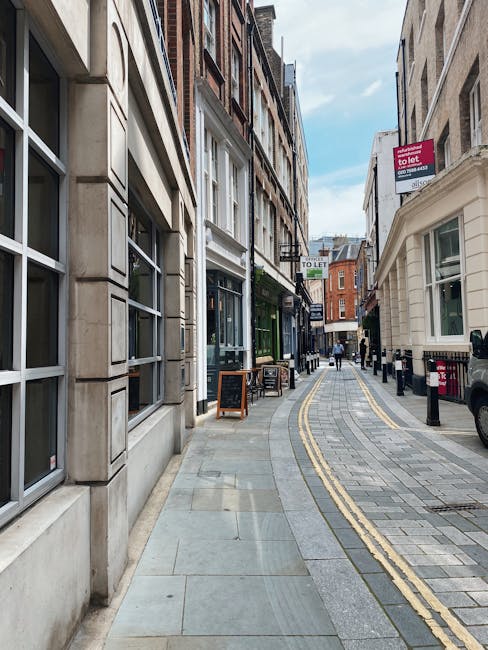
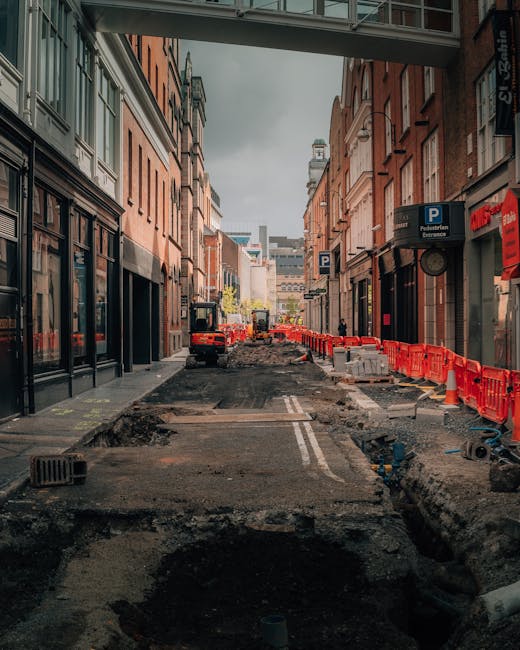
Fulham has a lot going for it: character homes, converted flats, tree-lined roads, and that very London mix of convenience and charm. But those same features can make removals awkward. Streets may be narrow. Parking can be tight. Some properties sit behind gates, up steps, or along roads where larger vehicles struggle to turn or wait safely. In a removal context, access is everything. If the vehicle cannot stop near the door, time, labour, and risk all increase.
That matters for a few reasons. First, the longer items spend being carried, the more opportunity there is for damage, dropped corners, scuffed walls, or strained backs. Second, if the van has to park farther away, the job often takes longer and can become more expensive. Third, a poor access plan can create issues with neighbours, traffic flow, or local parking restrictions. No one wants a removal day that turns into a polite but tense exchange with someone trying to get out of their drive at 8:15 in the morning.
There is also a simple comfort factor. When access is thought through properly, the whole day feels calmer. The crew knows where to park, what route to take, which items need extra protection, and whether a smaller vehicle or shuttle load is the better call. You will notice the difference immediately. Less faffing about, more moving.
Expert takeaway: in narrow Fulham streets, good removals are rarely about brute strength. They are about planning, vehicle choice, timing, and making the shortest safe path between property and van.
How Fulham narrow street removals access problems and solutions Works
The process starts with an access assessment. A good removal company will ask questions about the property and the street before moving day. They may want to know the width of the road, whether there is single-file traffic, if parking bays are available, whether the property is upstairs or basement level, and how far the front door is from the road. Sometimes they will ask for photos or a video walkthrough. That is not being fussy. It is good practice.
From there, the move is usually shaped around the weakest point in the access chain. If the road is too tight for a large van, a smaller vehicle may be used. If parking close to the property is impossible, the team may plan a longer carry, protective route covering, or a timed arrival when the street is quieter. If the building layout is awkward, packing and furniture dismantling may happen before loading so the team can move items faster and more cleanly.
It helps to think of access planning as a series of small decisions:
- Can the vehicle stop safely close to the entrance?
- Is there enough clearance for doors, mirrors, and turning?
- Will the crew need trolleys, straps, blankets, or ramps?
- Are there stairs, narrow hallways, or a basement lightwell to navigate?
- Should the move happen earlier or later to avoid traffic and parking pressure?
Truth be told, access problems are not unusual. What matters is whether they are identified early. A little honesty at the quote stage saves a lot of groaning on the day.
Key Benefits and Practical Advantages
When access is planned properly, the benefits are very practical and very real.
1. Less risk of damage. Shorter carries and clearer routes reduce the chance of scraping furniture against walls, knocks to banisters, or corners being chipped on door frames. That is a big deal in older Fulham properties where hallways can be tight and finishes are often delicate.
2. Better time control. A move can still be delayed by traffic or parking pressure, but a planned access strategy cuts out avoidable confusion. The team knows where to work from, which makes loading and unloading more efficient.
3. Lower physical strain. Carrying a sofa up a long pavement and through a tight doorway is hard work. Shorter, smarter routes mean less fatigue and safer handling for everyone.
4. Fewer neighbour issues. Nobody wants to block a driveway or double-park for longer than necessary. Planning around access makes the move more considerate and usually less stressful socially, which, let's face it, matters in a busy London street.
5. Better cost control. If a move is going to require two vehicles, extra labour, dismantling, or a shuttle system, it is better to know that early. Surprises are rarely the cheap kind.
There is also a softer benefit: confidence. Once you know the access is workable, the whole move feels less chaotic. You can focus on the practical bits instead of worrying whether the wardrobe is going to get stuck at the front gate.
Who This Is For and When It Makes Sense
This topic matters to anyone moving in or around Fulham, but it is especially relevant if you are dealing with one of the following scenarios:
- terraced houses on narrow residential streets
- top-floor flats with steep stair access
- basement or garden flats with awkward entry points
- properties with no off-street parking
- shared houses where the front path is narrow or cluttered
- office or commercial moves in compact premises
- clients moving large furniture, pianos, or bulky wardrobes
It also makes sense for anyone who wants to avoid last-minute improvisation. Some moves are small, but still awkward. A one-bed flat can be more complicated than a family home if the access is tight and parking is not straightforward. So size alone does not tell the full story. The building and the street often matter more than the inventory.
If you are on a deadline, moving with children, coordinating with landlords, or trying to fit the move into a single day, access planning becomes even more important. A small delay can snowball. That is usually when people realise the street matters almost as much as the sofa.
Step-by-Step Guidance
Here is the practical way to handle Fulham narrow street removals access problems and solutions without turning the day into a scramble.
1. Assess the access early
Walk the route from the property to the street. Look at the front door, pavement width, steps, turning space, and where a van could safely stop. If possible, check the route at the same time of day your move is likely to happen. A street that feels manageable at 10am can feel very different at school-run time or late afternoon.
2. Measure the awkward bits
Measure doorways, stair widths, landings, and larger furniture pieces. A few centimetres can matter more than people expect. If something has to be dismantled, do that before moving day if the team agrees. Bed frames, wardrobes, and dining tables are common candidates.
3. Share honest details with the mover
Be direct about low bridges, narrow gates, resident parking, basement steps, awkward corners, and anything else that could slow things down. It is much better to over-explain than to keep quiet and hope for the best. A good removal team can work with almost anything, but only if they know what they are walking into.
4. Choose the right vehicle strategy
Sometimes the best answer is a smaller van. Sometimes it is a larger vehicle parked farther away. In some cases, a shuttle load system works better, where items are moved in stages. The right choice depends on access, volume, and how much handling the furniture can safely tolerate.
5. Protect the route
Use floor coverings, door protection, and blankets where needed. In older properties, even a brief move through a tight hallway can leave marks if the route is not protected. That sounds minor until you are the one with the scuffed paintwork.
6. Load in the right order
Heavy, awkward, and frequently needed items should be planned carefully. If a piece must come off first at the destination, make sure it is not buried behind everything else. That simple bit of forward planning saves time and avoids unnecessary reshuffling later.
7. Build in a margin for delays
London traffic, parking restrictions, and local road activity can all change the timing. Give yourself a buffer. An extra 20 minutes at the front end can save an hour of stress later. Not glamorous, but effective.
Expert Tips for Better Results
After enough moves, a few patterns become obvious. The following tips are the kind that tend to make a real difference in narrow Fulham streets.
- Send photos, not just descriptions. "It's a bit tight" does not always mean the same thing to everyone. A clear photo of the front of the property and street is worth a lot.
- Keep the hallway clear the night before. Shoes, bikes, prams, recycling bags, and lamp tables have a habit of being in exactly the wrong place.
- Label the awkward items. If something must go out first or be handled upright, mark it clearly. Saves time. Saves swearing. Mostly.
- Ask about dismantling before the day. A wardrobe that fits in a room does not necessarily fit down a stairwell. Funny how that works.
- Plan for weather. Rain changes everything. Wet pavements, slippery steps, and damp cardboard are not your friend.
- Coordinate with neighbours where possible. A quick heads-up about loading time can prevent conflict and, sometimes, even win you a little goodwill.
One small but important detail: the best access solution is not always the most obvious one. Sometimes a slightly earlier start, a different van size, or a temporary parking plan makes the whole operation smoother than trying to force a bigger vehicle into a street that simply does not want it there.
Common Mistakes to Avoid
Most access problems become expensive only after they are ignored. These are the mistakes people make most often.
- Assuming the van will fit. Narrow streets can look wider in daylight than they are in practice.
- Not checking parking rules. Temporary stopping may be possible, but not always where or when you expect.
- Leaving bulky furniture assembled. A wardrobe that should be split apart is a classic cause of stress.
- Underestimating basement or upper-floor access. Stair turns and ceiling heights matter more than people remember.
- Forgetting about neighbour access. Blocking a shared entrance or drive can lead to avoidable problems.
- Not telling the removal team about weak flooring or fragile areas. Older buildings sometimes need extra care underfoot.
The most common error, honestly, is optimism. A little optimism is fine. Too much, and suddenly you are carrying a sofa down the road because the van could not stop near the entrance. That is not a plan, that is a storyline.
Tools, Resources and Recommendations
You do not need a huge toolkit to handle access problems, but a few practical items help a great deal.
- Furniture blankets and straps for protecting items during longer carries
- Trolleys or sack barrows for heavy boxes and appliances, if stairs and surfaces allow it
- Floor protectors for hallways, carpets, and entrance routes
- Door covers or corner protectors to reduce scuffs on tight turns
- Ratchet straps and ties to stabilise loads inside the van
- Basic tools for dismantling beds, legs, or shelving
- Clear labels for items that need special handling or faster unloading
If you are comparing moving support options, it can also help to look at broader service pages such as removal services, man and van, or house removals. Those pages can give you a clearer sense of what type of support fits a narrow-street move, whether you are shifting a few items or a whole property.
For larger or more complex moves, especially where business equipment or multiple stops are involved, commercial moves and office removals may be more relevant. If you are dealing with packing challenges as well as access, packing and unpacking services can take some pressure off before moving day.
If you are still in the planning stage, a look at pricing and quotes is often useful, because access difficulty can affect the overall quote structure. Nothing dramatic there, just the usual reality that time, labour, and vehicle choice all play a part.
Law, Compliance, Standards, or Best Practice
For removals in London, access planning is not just courtesy. It also sits alongside sensible compliance and safe working practice. Local parking restrictions, loading limits, bay rules, and traffic conditions may affect where a vehicle can stop and for how long. Because those rules can vary by street and time, it is wise to confirm them before moving day rather than assuming a quick stop will be fine.
Health and safety matters too. Removal teams should use safe lifting methods, keep routes clear, and use appropriate equipment where needed. If a building has tight stairwells, fragile flooring, or awkward shared areas, the team should adjust the plan accordingly. That is part of good practice, not overcaution.
Insurance is worth checking as well. If access is challenging, the chance of accidental knocks or dropped items can rise, so understanding what cover applies is sensible. You can usually review the company's approach on pages such as insurance and safety and health and safety policy. If you want to understand how the company handles customer information or transactions, there are also pages for privacy policy and payment and security.
Finally, if a move involves recycling unwanted items or reducing waste, it can help to think ahead about disposal. The page on recycling and sustainability may be useful if you are trying to minimise what needs to be carried through a cramped entrance in the first place. Fewer items on the day usually means fewer complications. Simple, but true.
Options, Methods, or Comparison Table
There is no single best method for every narrow-street move. The right approach depends on vehicle access, property type, load size, and timing. Here is a practical comparison.
| Method | Best for | Pros | Trade-offs |
|---|---|---|---|
| Large van parked close by | Streets with adequate stopping space | Efficient loading, fewer carry metres | Not always possible in Fulham's narrower roads |
| Smaller van or shuttle runs | Tight access and restricted streets | More flexible, easier to position | May need more trips and more time |
| Timed arrival for quieter periods | Busy residential streets | Can reduce parking pressure and traffic conflict | Less flexible if the schedule slips |
| Pre-dismantling furniture | Large items and awkward stair access | Safer handling, easier navigation | Requires preparation before moving day |
| Pack-and-stage system | Complex homes or flats | Organised, controlled, good for delicate items | Needs space inside the property |
In real life, the best move often combines two or three of these methods. A small van, an early slot, and a bit of dismantling can be far more effective than trying to find one perfect fix. Moving is rarely neat. It just needs to work.
Case Study or Real-World Example
Imagine a one-bedroom flat on a narrow Fulham road with no driveway and a steep internal staircase. The front entrance opens close to the pavement, and there are parked cars on both sides of the street. A standard-sized van might struggle to wait safely outside for long, especially if another vehicle needs to pass.
In that sort of situation, the sensible solution is usually a combination of steps: confirm parking options before the day, use a van size that can stop without blocking the road, dismantle the bed frame in advance, and stage boxes by room so loading is orderly. If the stairwell is tight, the team may also protect corners and reduce the number of times bulky items need to turn.
What tends to make the biggest difference is not one clever trick, but the calm combination of several small ones. The move becomes faster because nobody is stopping to improvise. The team already knows the route, the load order, and the access limits. That means fewer surprises and less wear and tear on the furniture.
And yes, sometimes the first visit to the street reveals that the original plan needs changing. That is perfectly normal. Good moving plans bend a bit. They should.
Practical Checklist
Use this checklist before moving day to reduce access issues in Fulham narrow streets:
- Measure doors, stairs, and any tight turns
- Check if the vehicle can stop legally and safely near the property
- Take photos of the front entrance, street, and any awkward access points
- Tell the removal team about basement steps, lifts, shared entrances, or restricted parking
- Decide whether furniture needs dismantling
- Clear hallways, staircases, and external paths
- Protect floors, walls, and corners where needed
- Label items that are fragile or need to come off the van first
- Confirm the move time and allow a buffer for traffic or parking delays
- Keep keys, building codes, and contact details ready
Practical summary: the more accurately you describe the access, the better the move can be planned. That simple truth prevents a lot of drama.
If you are ready to get moving, it is worth speaking early and being specific about the street, the property layout, and the furniture you need to move. A clear plan now usually means a calmer day later. Get a free quote today and see how much you can save.
Conclusion
Fulham narrow street removals access problems and solutions are really about one thing: reducing friction before it turns into delay, damage, or frustration. The streets may be tight, the parking may be awkward, and the stairs may be older than you'd like, but with the right vehicle strategy, honest planning, and a sensible approach to loading, the move can still go smoothly.
The best results usually come from small decisions made early. Measure the awkward spaces. Share photos. Choose the right time. Protect the route. Keep the plan realistic. It is not glamorous, but it works. And on a moving day, working is what you want.
When the last box is inside and the van door finally closes, the relief is hard to beat. That quiet moment at the end is worth a lot. A good move should leave you tired, yes, but not battered by avoidable problems.
Frequently Asked Questions
What are the main access problems with removals in Fulham?
The main issues are narrow roads, limited parking, busy traffic, tight staircases, basement access, and property layouts that make it hard to get large items in or out safely.
How do removal companies handle narrow streets?
They usually plan the move around vehicle size, parking position, timing, and carry distance. In some cases, they use smaller vans or shuttle runs to manage tight access more effectively.
Do I need to measure my furniture before moving day?
Yes, especially for beds, wardrobes, sofas, and dining tables. Measuring helps you spot items that may need dismantling before they become a problem at the front door.
Can a move still work if the van cannot park directly outside?
Absolutely. It may take a little longer, but longer carry distances, timed loading, or a smaller vehicle can still make the move manageable.
What should I tell the removal team about my Fulham property?
Tell them about parking restrictions, narrow entrances, stairs, basement levels, lifts, shared access, and any large or fragile items. Photos help a lot too.
Is it better to book a smaller van for narrow street moves?
Often, yes. A smaller van can be much easier to position in tight streets, though the right choice depends on how much you are moving and how the property is laid out.
How can I make moving day quicker in a tight-access property?
Clear hallways, dismantle furniture early, label boxes well, and make sure the team has clear instructions. A tidy route saves a surprising amount of time.
Are basement flats more difficult for removals?
Usually they are, because stairs, low ceilings, and narrow turns can make larger items awkward. With the right preparation, though, they are perfectly manageable.
Should I worry about parking tickets during the move?
You should definitely be aware of parking rules and restrictions. The details vary by street and timing, so it is wise to plan carefully rather than assume a short stop will be fine.
What if my furniture will not fit through the doorway?
If that happens, the item may need to be dismantled, moved by a different route, or in rare cases moved using a different handling method. It is better to discover that before moving day if possible.
Does access difficulty affect the removal quote?
It can. Longer carry distances, extra labour, stairs, and vehicle changes can all influence the time and resources needed, so honest access details usually lead to a more accurate quote.
What is the safest way to move heavy items on a narrow Fulham street?
The safest approach is to combine the right vehicle, careful lifting, protective equipment, and a clear route. If an item is especially awkward, it may be better to dismantle it or move it in stages.
Need help planning a move with awkward access? Take the time to map it out properly and you will feel the difference on the day.
Sometimes the smartest move is the one that looks unremarkable from the outside. Quiet, orderly, done properly. That is usually the one people remember with relief.